Introduction
Choking is a leading root cause of injury and fatality amongst little ones, making it an important problem for childcare carriers. Understanding choking avoidance approaches can conserve lives. In this write-up, we will discover necessary techniques that every childcare carrier must know, including the importance of first aid training like HLTAID012 certification in Australia, effective event reporting protocols, and useful strategies for handling minor injuries. We will certainly additionally cover facets of youngster defibrillation assistance, identifying asthma signs, and guaranteeing appropriate hand hygiene-- all important components of childcare safety.
Choking Avoidance: Secret Techniques Every Childcare Provider Need To Know
Choking is an emergency that requires immediate focus. Recognizing how to act rapidly can be the difference in between life and death. Childcare carriers are frequently on the frontline when it concerns kids's security, so comprehending choking prevention approaches is imperative.
Understanding Choking Risks in Children
What prevail Choking Hazards?
Children are normally curious and have a tendency to discover their setting by putting points in their mouths. Usual choking risks consist of:
- Food Items: Grapes, nuts, popcorn, hotdogs, and difficult candies. Small Objects: Coins, switches, little toys, or any type of item that can fit through a toilet paper roll. Household Items: Balloons and plastic bags.
Why are Children Prone to Choking?
Young kids have smaller airways contrasted to grownups. Their all-natural disposition to discover with their mouths enhances the danger of inhaling international objects or food. Age-specific behaviors-- such as running while consuming-- additionally add to this danger.
Key Techniques for Choking Prevention
Educating Team on First Aid Training
Training team in first aid is important for every single child care service provider. Programs such as HLTAID012 Supply First Aid in Education not check here just cover choking however likewise other emergency situations like allergies needing Epipen administration
The Value of Normal Training
To keep high criteria in childcare safety and security:
- Schedule regular training sessions. Update expertise on brand-new guidelines. Encourage hands-on technique via simulations.
Proper Hand Health Practices
Why is Hand Hygiene Important?
Proper hand hygiene decreases the threat of infections that could make complex emergency situations like choking cases.
Best Practices for Hand Hygiene
Wash hands with soap and water before meals and after making use of the restroom. Use alcohol-based hand sanitizers when soap isn't available.Incident Reporting Protocols
What Should Be Included in an Event Report?
Every occurrence including choking must be documented thoroughly:
- Date and time of the incident Description of what happened Actions taken Follow-up measures
Why Occurrence Reports Matter
Incident records help recognize patterns or persisting issues within a child care setting and promote responsibility amongst staff members.
Immediate Reaction Responsibilities
What Must You Do If a Child is Choking?
Assess the kid's ability to breathe. Administer back impacts if they can not cough or cry. Call emergency situation services if necessary.Knowing these steps can encourage teachers throughout crises.
Child Defibrillation Guidance
When Is Defibrillation Necessary?
In instances where a child comes to be unresponsive as a result of choking-related cardiac arrest:
Call for help immediately. Begin CPR without delay. Use an AED (Automated External Defibrillator) if available.Recognizing Asthma Symptoms
How Can Bronchial asthma Complicate Choking?
Children with bronchial asthma may show signs like wheezing or coughing that can simulate choking episodes.
Importance of Identifying Symptoms
First aid and CPR coursesBeing able to distinguish between bronchial asthma attacks and choking helps caregivers provide proper treatment promptly.
Managing Minor Wounds After an Incident
Steps for Handling Wounds
Even minor injuries need to be treated right away to prevent infection:
Clean the wound carefully with soap and water. Apply antiseptic ointment. Cover with a sterile bandage.Building Teacher Confidence in Emergency Situations
How Can Training Improve Confidence?
Regular training sessions enhance knowledge with treatments:
- Conduct mock drills mimicing emergency situation situations. Discuss past cases freely amongst team for cumulative learning.
Childproofing Techniques in Child care Settings
What Work Childproofing Methods?
A well-childproofed setting reduces dangers:
Use security entrances at stairways. Secure heavy furniture to walls. Store unsafe materials out of reach.Written vs Practical Elements of Emergency Treatment Training
What's More Efficient: Created Examinations or Hands-On Practice?
While both components are vital, useful skills are essential when secs count during emergencies such as choking incidents.
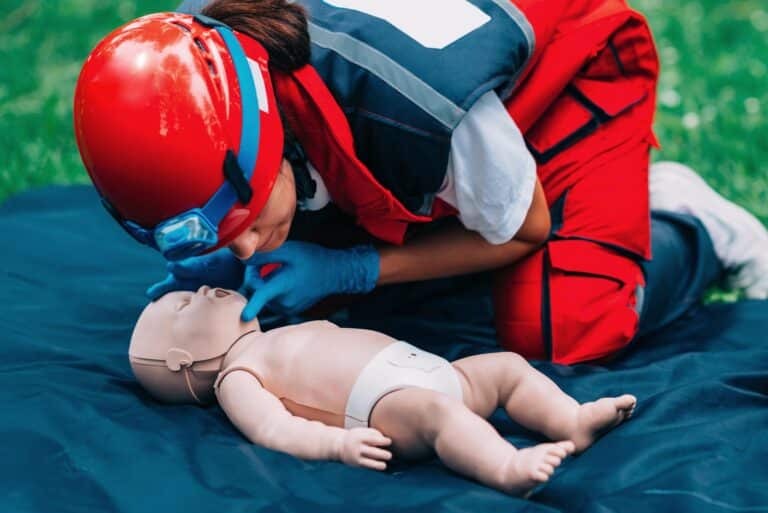
Balancing Created Tests with Hands-On Learning
Ensure that your program consists of both theoretical knowledge assessments and useful skill evaluations.
Renewal Timelines for First Aid Certifications
When Needs to Accreditations Be Renewed?
Most accreditations require revival every 3 years; nevertheless, check particular laws based upon your place-- especially relating to Australian requirements such as HLTAID012 qualification Australia.
Childcare Centre First Aid Kit Essentials
What Must Be Consisted of in Every Kit?
A detailed emergency treatment kit customized for a child care centre ought to contain:
|Item|Amount|| -----------------------------------|----------|| Adhesive bandages|20|| Sterilized gauze pads|10|| Disinfectant wipes|10|| Disposable handwear covers|5|| Immediate ice bags|2|| Kid's medicine (if allowed)|As needed|
Staying stocked guarantees readiness during emergencies!
First Help for Childhood High Temperature Australia
How Ought to Fever Be Handled in Children?
Monitoring fever involves keeping track of temperature routinely while providing fluids and comfy clothing as required. Consult healthcare experts if fever lingers past 2 days or reaches worrying temperatures (over 38 ° C).
Childcare Security Threats Australia
Identifying Common Hazards
Common hazards include unprotected furnishings, sharp items available, unsafe floorings, etc, which need to be proactively managed through regular inspections and upkeep schedules.

Childcare Personnel Emergency treatment Requirements Australia
What Are Legal Obligations?
Each state has details needs concerning team qualifications associated with first aid training within childcare settings; acquaint yourself with regional regulations to remain compliant!
First Aid Essentials for Moms And Dads Australia
Parents must also be educated regarding fundamental first aid strategies such as mouth-to-mouth resuscitation techniques ideal for youngsters or exactly how ideal to react during usual mishaps at home or school environments alike!
FAQs regarding Choking Prevention Strategies
What is HLTAID012 certification?- HLTAID012 accreditation includes training individuals to offer emergency treatment successfully within academic setups focusing on situations appropriate to youngsters's health needs including choking incidents.
- It's suggested that you restore every 3 years; nevertheless always verify particular needs based upon neighborhood regulations relating to day care service providers' responsibilities around Australia!
- Foods such as entire grapes, nuts & & seeds (specifically difficult), popcorn & & hot dogs bring considerable risks due mainly since they're not easily chewed right into smaller sized items by children who may inhale them unintentionally instead!
- Complete an occurrence report recording all relevant details: date/time/description/ actions taken/follow-up procedures which aids identify trends/patterns over time!
- Trained employee should constantly do first-aid interventions; ensure compliance via normal training programs carried out by acknowledged organizations specializing specifically within early childhood education settings!
- Effective childproofing eliminates possible dangers from atmospheres where children play day-to-day minimizing chances they'll encounter harmful products qualified creating harm/chokes while checking out environments freely!
Conclusion
Choking prevention is critical within day care setups where young lives depend greatly upon trained professionals outfitted with knowledge/tools essential dealing with emergencies swiftly/effectively! From recognizing usual threats managing minor wounds ensuring proper hand hygiene every technique contributes total security while constructing self-confidence among teachers responsible caring throughout daily routines! Prioritizing ongoing education/training keeps abilities fresh making it possible for proactive responses whenever faced obstacles posed by uncertain nature youth journeys! Keep in mind-- knowledge absolutely conserves lives!